Areas of Commitment
Nine fields, chosen deliberately.
We concentrate rather than diversify for its own sake. Each of the fields below reinforces at least one other: water technology enables resources, energy powers infrastructure, and regional development ties the thesis together on the ground.
01 · Energy
Renewable Energy
Capital that waits for the wind.
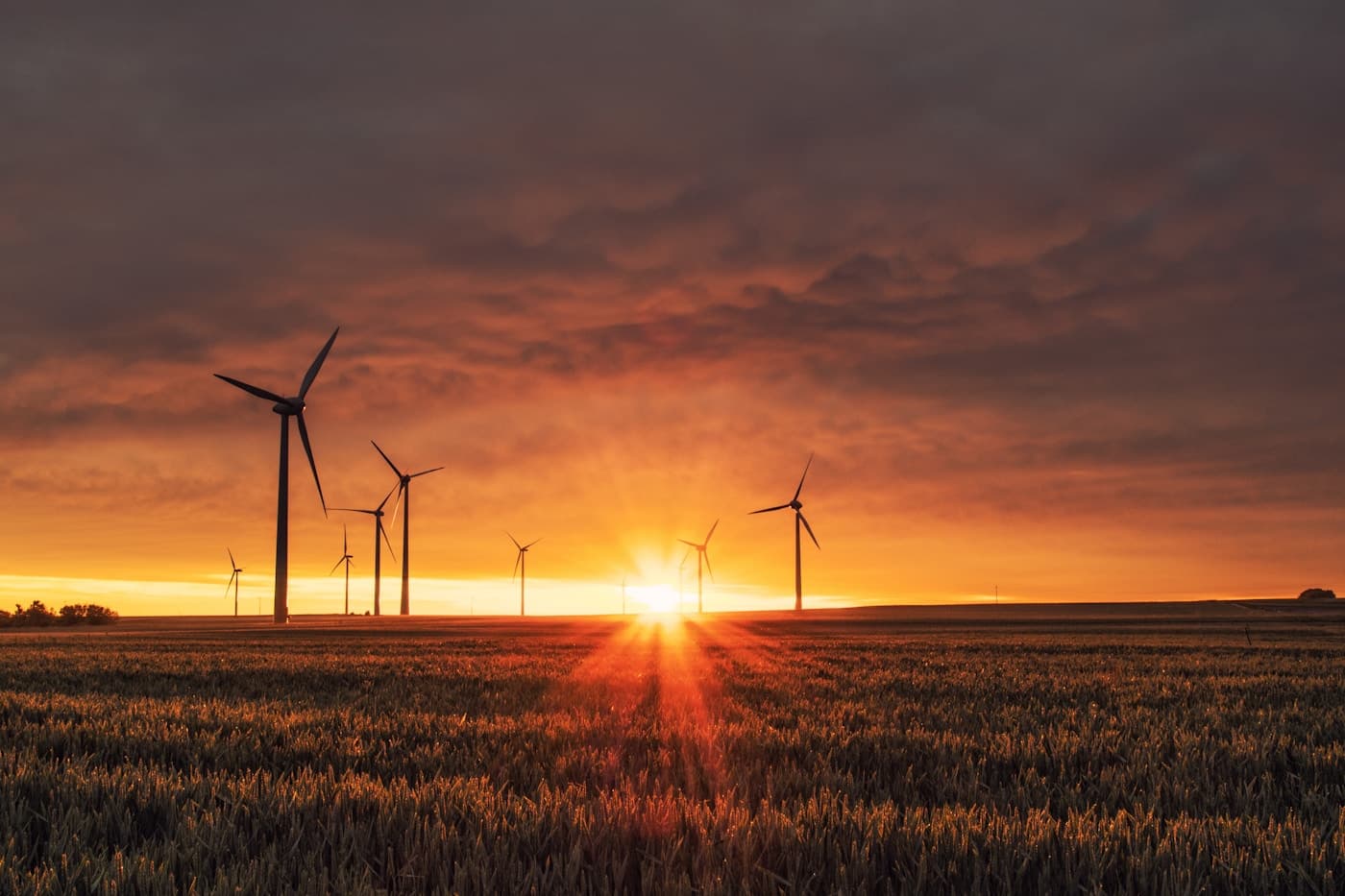
We were early buyers of Nordic wind before it was a consensus trade, and later, of the transmission and storage assets nobody wanted to underwrite. The return profile of a turbine is measured in decades, not quarters, and that has always suited us.
Our energy positions run from offshore wind in the Gulf of Bothnia to solar generation supporting irrigation in the Jordan Valley. We are less interested in the newest technology than in the infrastructure that keeps working after the subsidy cycle ends.
02 · Water
Water Resources
The commodity that cannot be substituted.
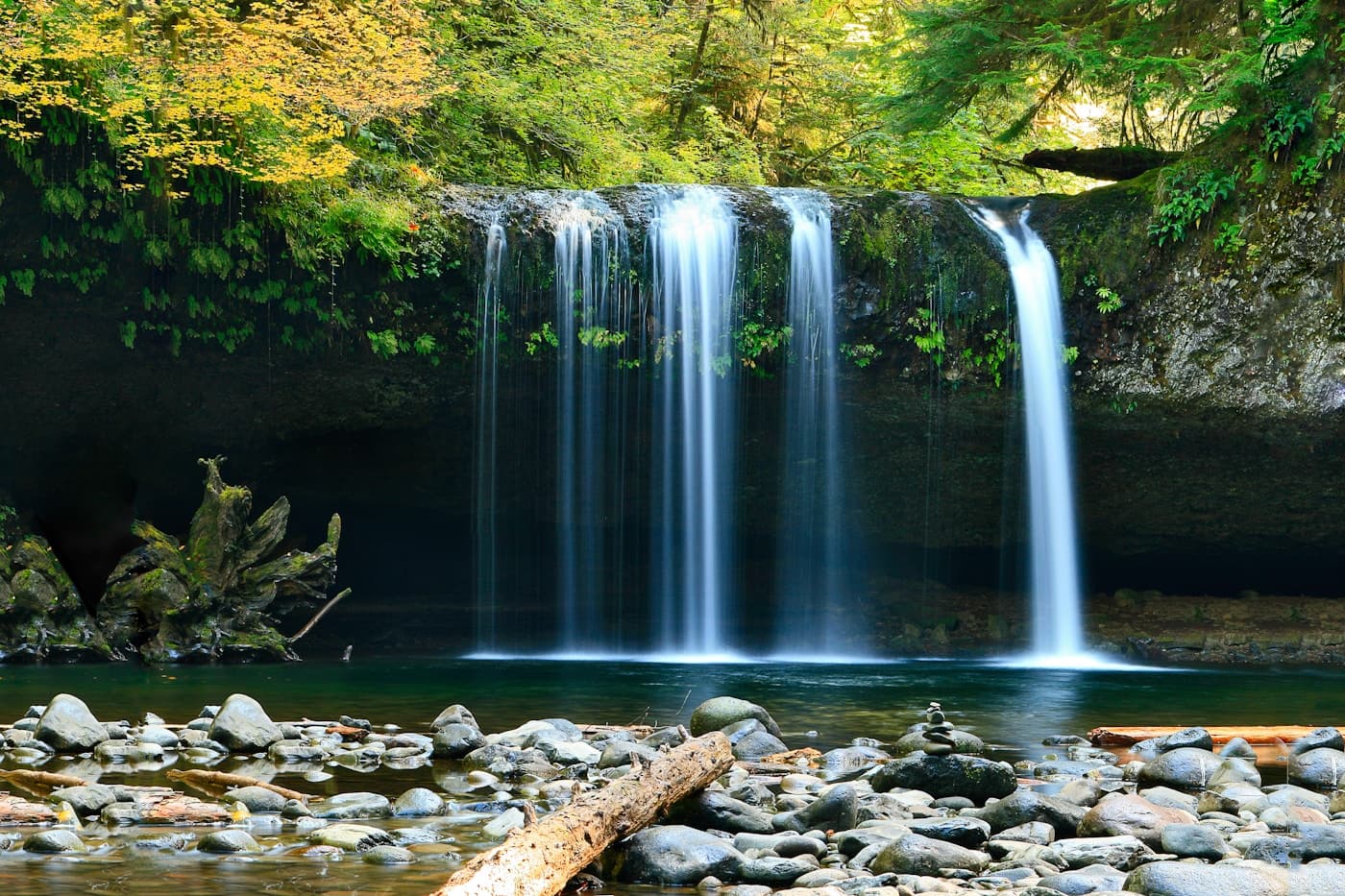
Finland's relationship with fresh water is close to a national character trait: the lakes, the engineering, the restraint all run together. We have carried that instinct into arid geographies where water scarcity, not capital scarcity, is the binding constraint on development.
Our positions span desalination, groundwater management, and the unglamorous municipal systems that move water from source to tap without losing half of it in transit. These are patient assets by nature; we treat them accordingly.
03 · Technology
Water Technology
The engineering that makes scarcity manageable.
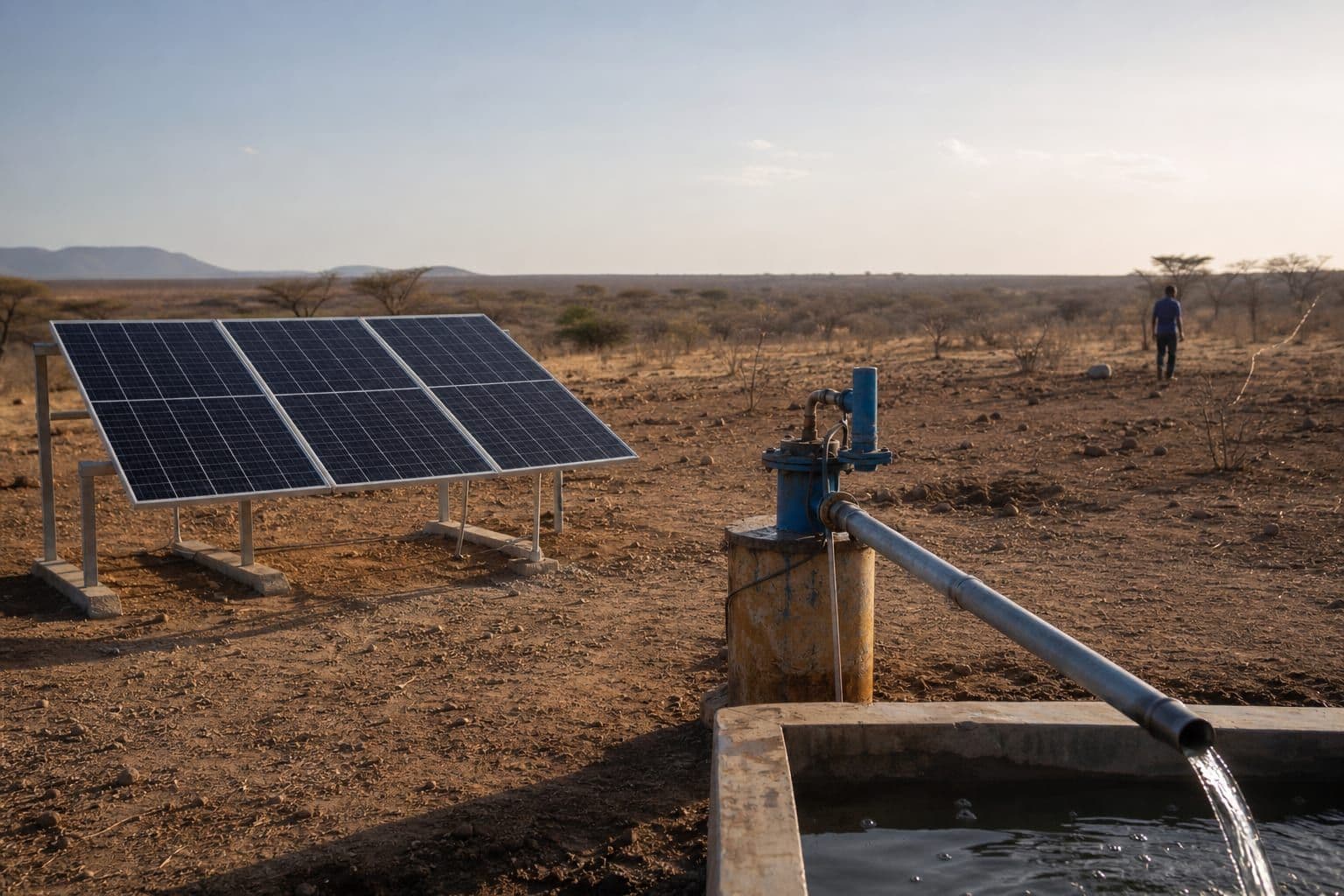
Water resources and water technology are related but not identical. Resources are the asset; technology is what allows the asset to be measured, moved, treated and maintained at scale, from smart metering and solar pumping to membrane filtration and the software that tells an operator where a system is failing before a community notices.
We invest in water technology where it is embedded in a long-dated concession or utility, not where it is sold as a standalone product cycle. Our Turkana programme is the clearest example: solar pumps and local maintenance contracts matter only because the boreholes beneath them were financed to last.
04 · Infrastructure
Sustainable Infrastructure
The unglamorous foundation of everything else.
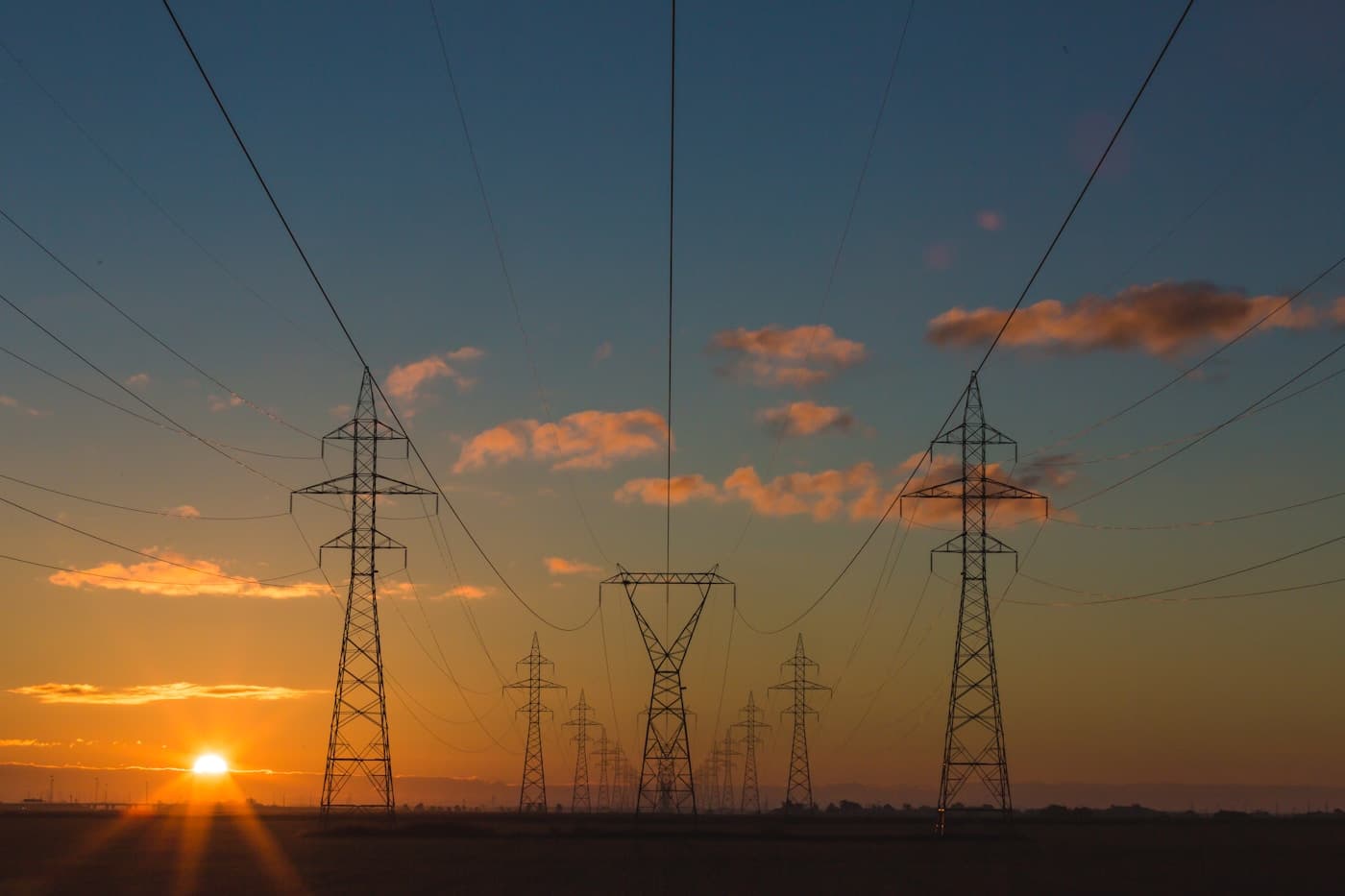
Roads, ports, cold-chain logistics, rail corridors: the infrastructure that makes other investments possible rarely photographs well, which is precisely why it is underfunded. We take positions here that others consider too slow, too regional, or too far from a stock exchange to matter.
Our approach favours co-investment with development finance institutions and national governments, structures that align a multi-decade balance sheet with a multi-decade asset life.
05 · Climate
Climate Technology
Technology proven before it is fashionable.
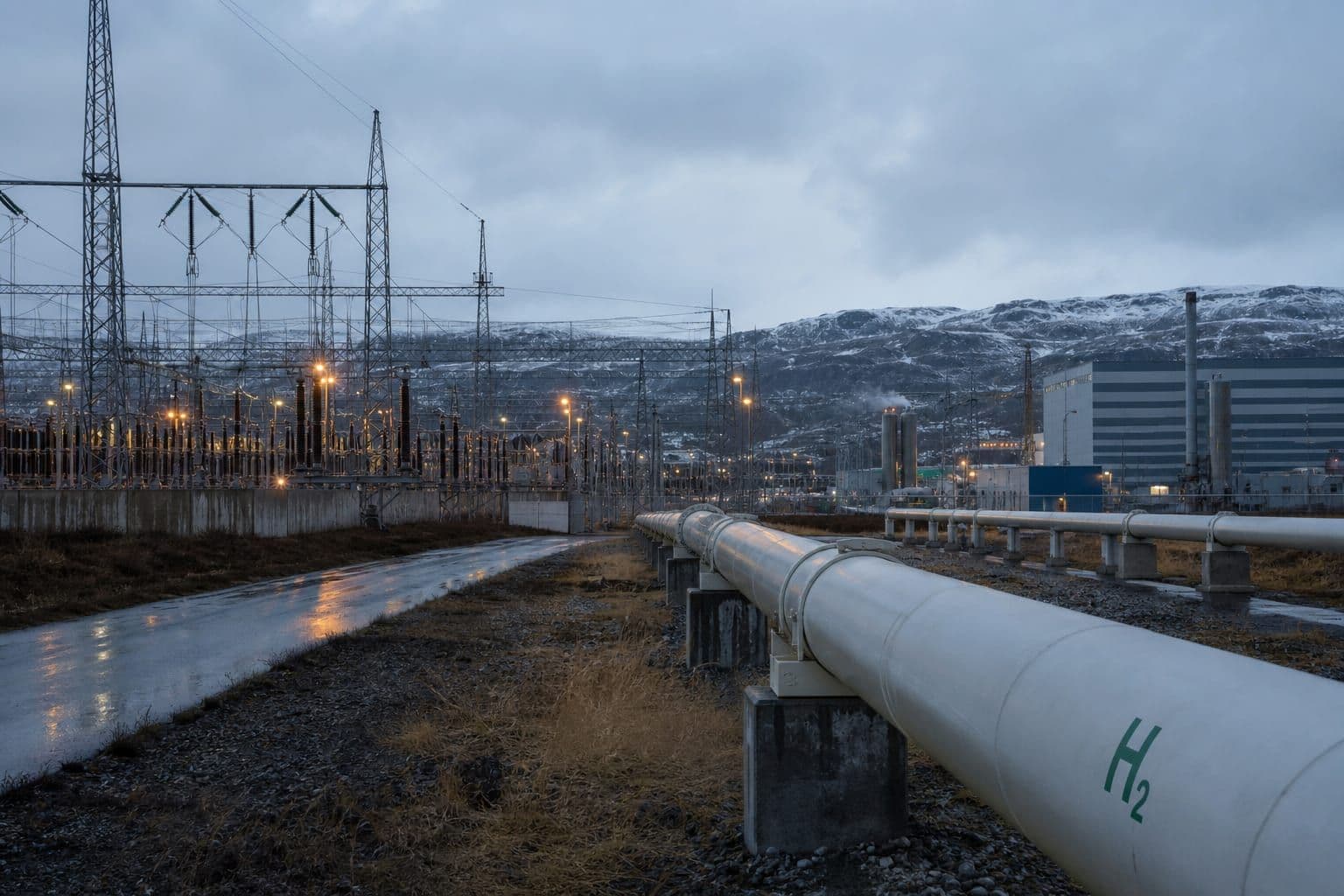
We invest in climate technology after the science is settled and before the market has finished pricing it. In practice that means green hydrogen corridors, industrial decarbonisation, and monitoring systems that make emissions reduction verifiable rather than promised.
We are wary of novelty for its own sake. Every position in this category is judged against a simple question: does it still make sense without a subsidy, in fifteen years, regardless of who is in government.
06 · Environment
Environmental Innovation
Restoration and resilience, not rhetoric.
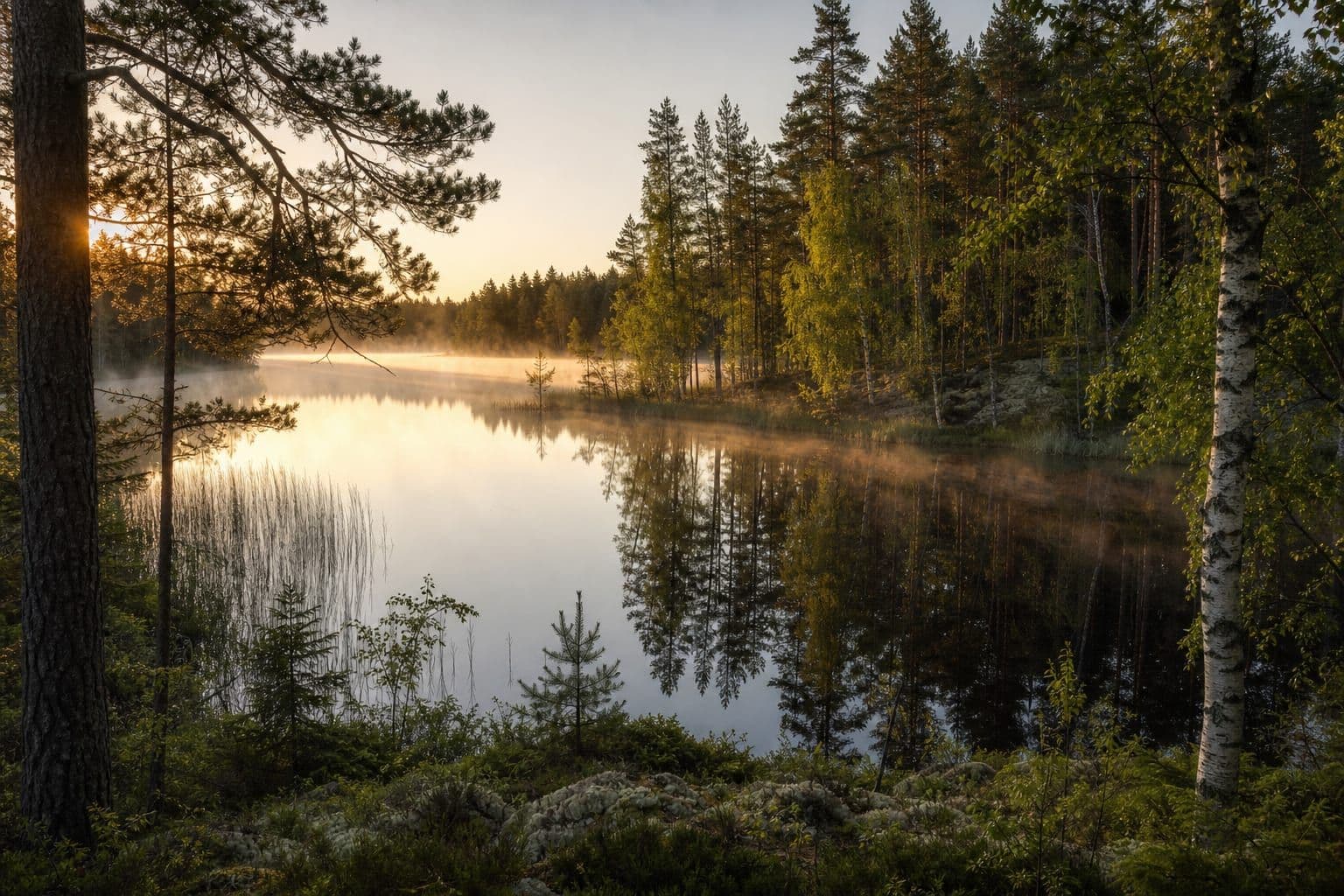
Environmental innovation, as we define it, is the applied work of making ecosystems and industrial systems coexist. That includes watershed rehabilitation, circular materials, biodiversity monitoring, and land-use planning that accounts for a thirty-year holding period rather than a reporting quarter.
This is distinct from climate technology, which tends toward energy and industrial abatement. Our environmental positions sit closer to the ground: soil, forestry, fisheries, and the regulatory frameworks that allow natural capital to be valued without being financialised into something unrecognisable.
08 · Region
Africa Development
A continent we have chosen to know well, not broadly.
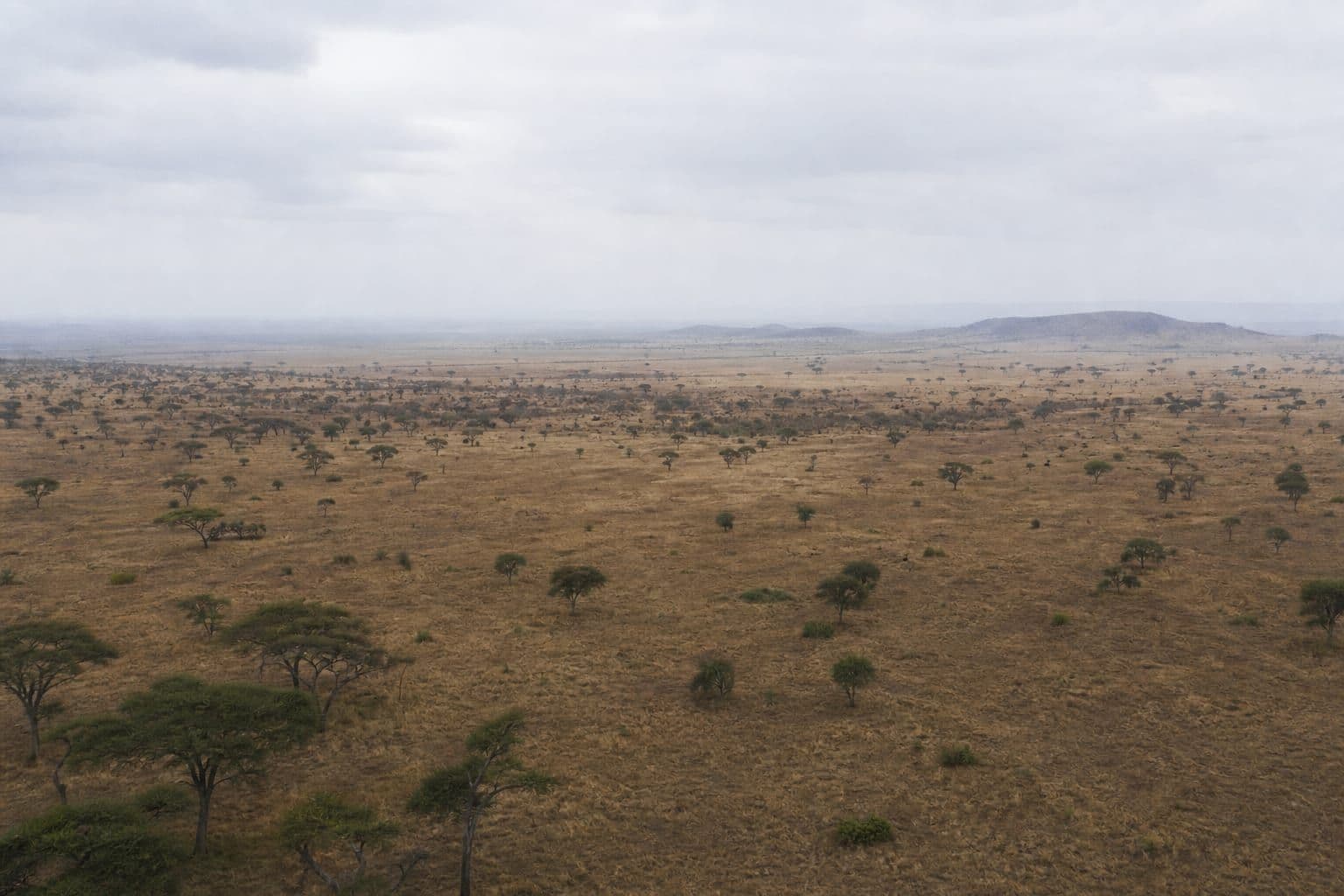
Rather than spreading thinly across fifty-four markets, we have concentrated on East Africa (Kenya, Ethiopia, Tanzania) and a growing corridor in the West through Ghana. Water, grid-linked renewables and port logistics are the threads that connect these positions.
Morocco bridges our African and Middle Eastern work. We expect depth in each market before width across the continent. Development, in our usage, means durable infrastructure and local capacity, not a sequence of ribbon-cuttings.
09 · Region
Middle East Development
Where energy transition and water security meet.
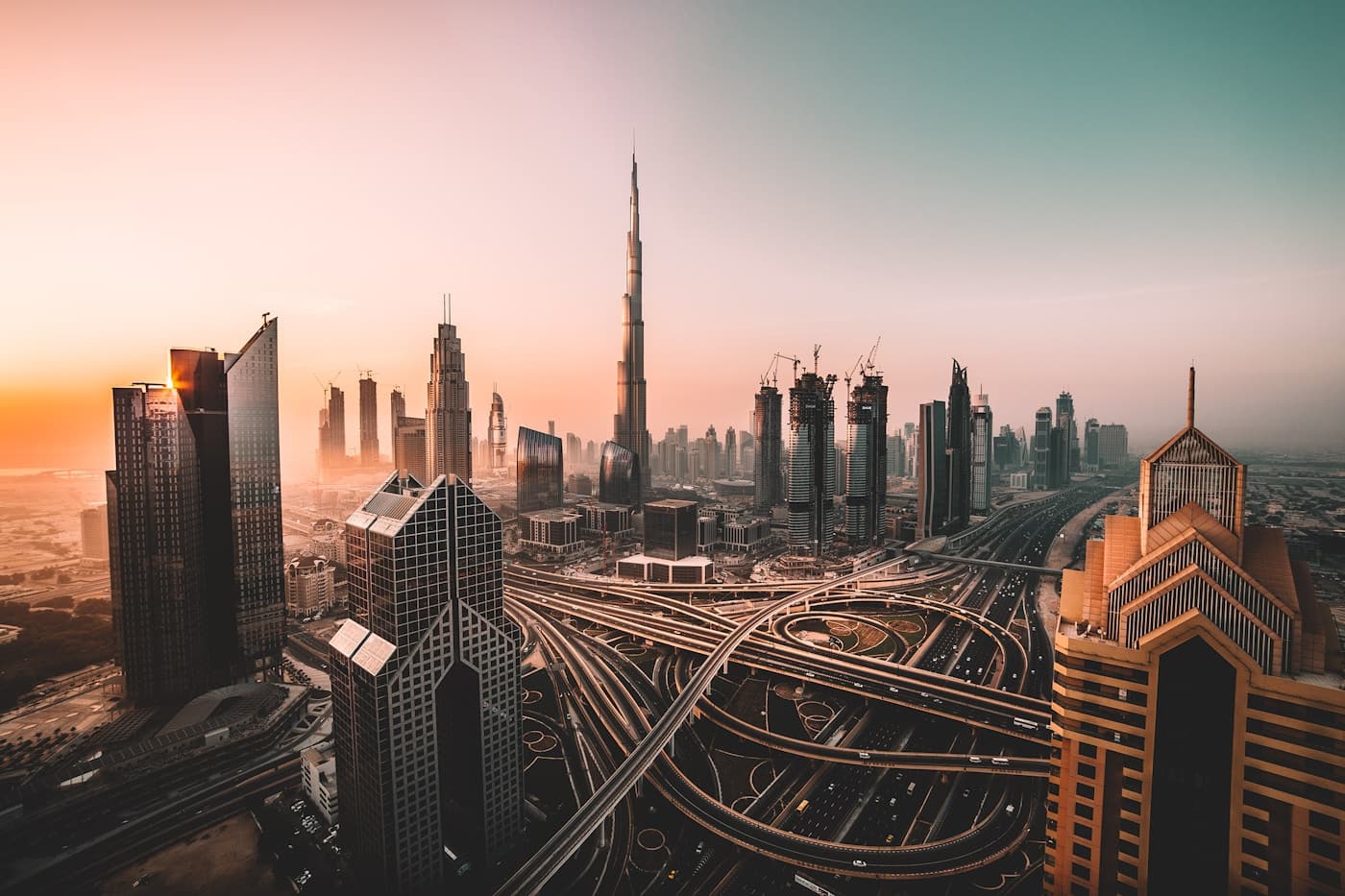
The Gulf's solar build-out and the Levant's water stress are, to us, the same investment thesis viewed from two directions. We have positioned across both, financing solar-linked irrigation in Jordan and participating in regional grid infrastructure further east.
These are relationships built over a decade of quiet presence, not a single transaction. Our regional partners in Amman and Dubai have known us longer than most of our European peers have known each other.
07 · Impact
Social Impact
Measured in access, not announcements.
We do not treat social impact as a separate sleeve of the portfolio, bolted on for disclosure purposes. It is the reason certain assets exist at all: boreholes that reduce daily travel time, grid connections that allow cold storage, training contracts that outlast the construction phase.
Every position we hold is evaluated against outcomes that can be verified: uptime, access, local employment, tariff affordability. We are sceptical of impact metrics designed primarily for marketing. If an investment cannot describe its social effect in plain language and specific numbers, we are unlikely to underwrite it.